
Insight from Plakas Mannos’s In-House Physician Consultant, Dr. Allison Kreiner
Artificial intelligence (AI) has become an increasingly important part of modern healthcare. While many people associate AI with futuristic technology, the reality is that AI is already being used every day in doctors' offices, hospitals, imaging centers, and even in patients' homes. Our Physician Consultant, Dr. Allie, has been following the technological advances closely and provides the following updates regarding artificial intelligence in the medical field:
AI-Powered Medical Scribes
 One of the most noticeable changes for patients is the growing use of AI-powered medical scribes. If your doctor has recently asked permission to record your visit, the recording may be used by an AI system that listens to the conversation and generates a draft medical note for the patient's chart. The goal is to reduce the amount of time physicians spend documenting visits in electronic health records and allow them to focus more attention on patient care. While early studies suggest these tools may reduce administrative burdens, the overall impact on physician workload is still being evaluated.
Wearable Health Technology
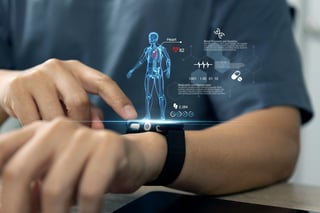 Wearable health technology is another area experiencing rapid growth. Devices that were once used primarily to track steps and exercise now provide increasingly sophisticated health monitoring. Many smartwatches can detect irregular heart rhythms that may indicate conditions such as atrial fibrillation. Other wearable devices can monitor blood pressure, blood oxygen levels, sleep patterns, heart rate variability, and physical activity. Some devices can even alert users to potential health concerns and encourage them to seek medical attention. As these technologies continue to improve, they are providing patients and healthcare providers with more health data than ever before. However, wearable devices are not a substitute for professional medical evaluation, and their measurements are not always perfectly accurate.
AI’s Assistance in Medical Specialties
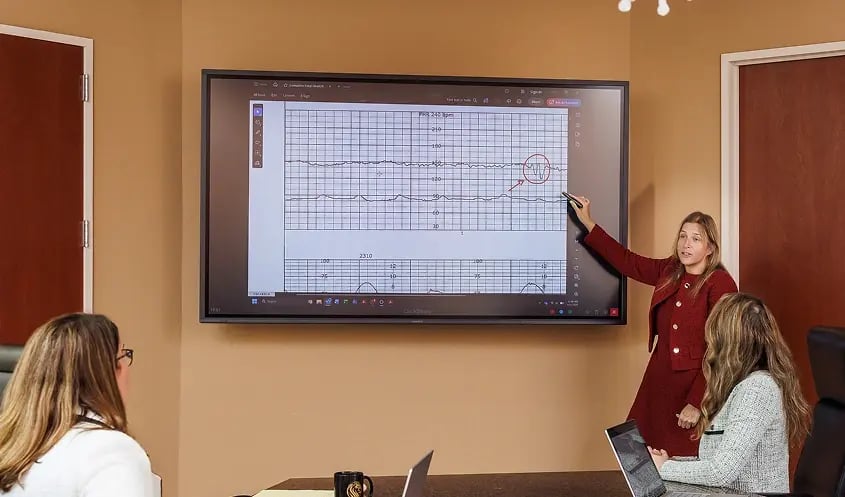
 AI is also playing a growing role in medical specialties such as radiology, dermatology, pathology, and dentistry. In many cases, AI systems serve as a second set of eyes, analyzing medical images and test results for abnormalities that may otherwise be overlooked. For example, AI programs can assist in identifying suspicious findings on X-rays, CT scans, mammograms, skin images, and pathology slides. In dentistry, AI tools can help detect cavities, bone loss, and other conditions on dental X-rays. These systems are generally used to assist healthcare professionals rather than replace them, helping improve efficiency and potentially reducing diagnostic errors.
AI’s Role in the Future
Despite rapid advances, AI is unlikely to replace physicians in the foreseeable future. Medicine requires clinical judgment, patient communication, ethical decision-making, and individualized care—areas where human expertise remains essential. Instead, AI is increasingly becoming a tool that supports healthcare professionals and enhances patient care. As the technology continues to evolve, AI is expected to remain a significant and growing part of the healthcare landscape.
Connect with a Medical Attorney Near Akron or Canton, Ohio
If you believe you or your loved one may have a medical malpractice claim or other personal injury claim involving medical issues, Plakas Mannos has a team of dedicated attorneys, as well as Dr. Allie and Nurse Attorney Garrett Loyd, who are here to assist. Reach out to a med mal attorney today.
About the Author

Dr. Allison Kreiner is our in-house physician consultant who primarily assists our medical malpractice and personal injury teams.
Share This Story, Choose Your Platform!